

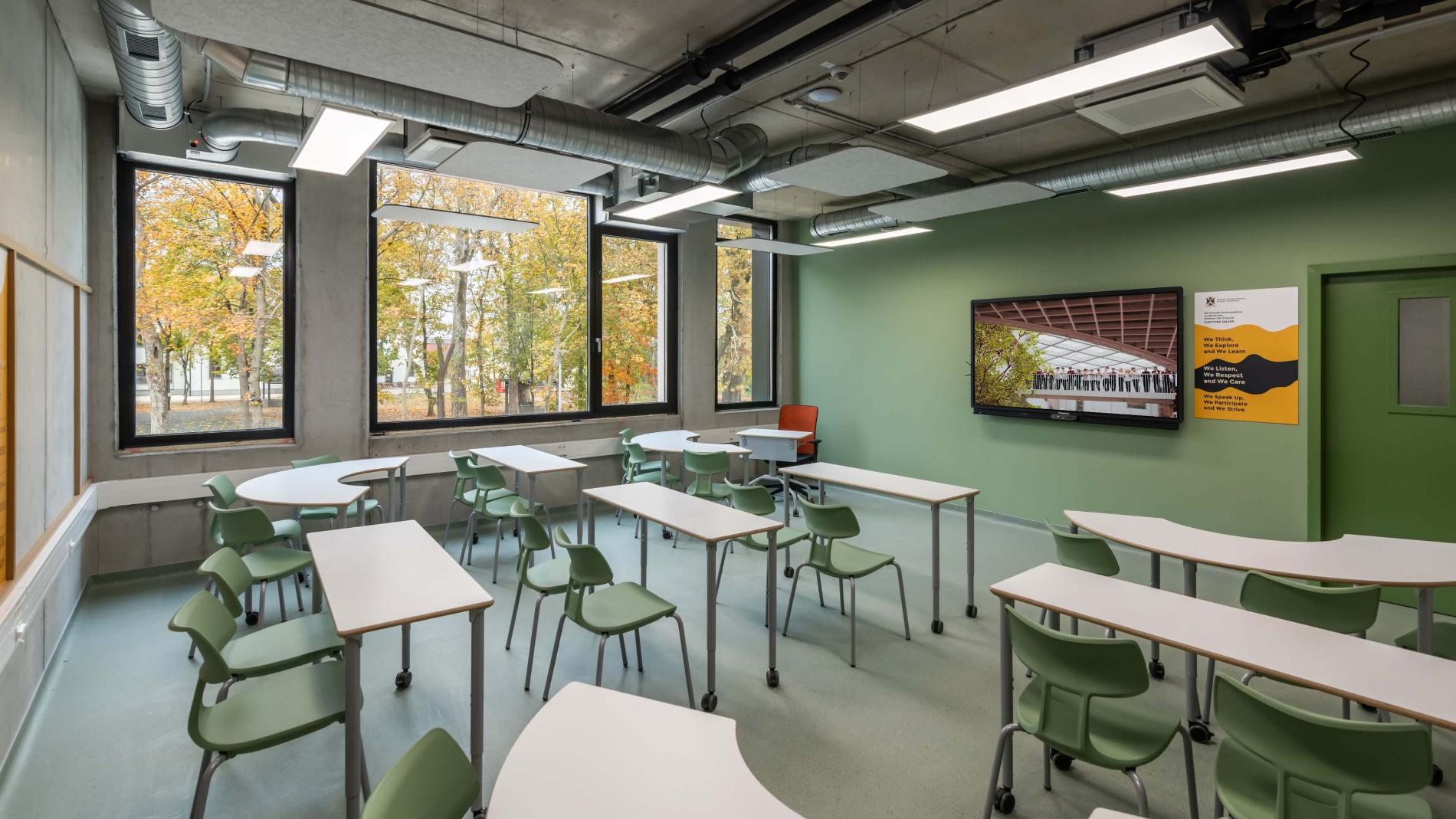
Every year, when the last school bell rings and students leave for summer break, a different kind of activity begins behind the scenes.
Classrooms empty. Hallways fall silent. And suddenly, schools have a narrow window to do what is nearly impossible during the academic year: school renovation, classroom redesign, and the modernization of learning spaces.
But that window is short.
Construction during the school year disrupts classes and raises safety concerns, which means most school building renovation projects must take place during holidays. In practice, this leaves schools with roughly three months to plan, organize, and complete major upgrades before students return.
About 100 days.
For many schools, those 100 days feel like a race against time.
But here’s the reality: those 100 days were never meant for experimentation.
They were meant for execution.
The real problem schools face
Most schools want to improve their learning environments.
They want better classrooms, labs that support modern teaching methods, and environments where both students and teachers feel energized.
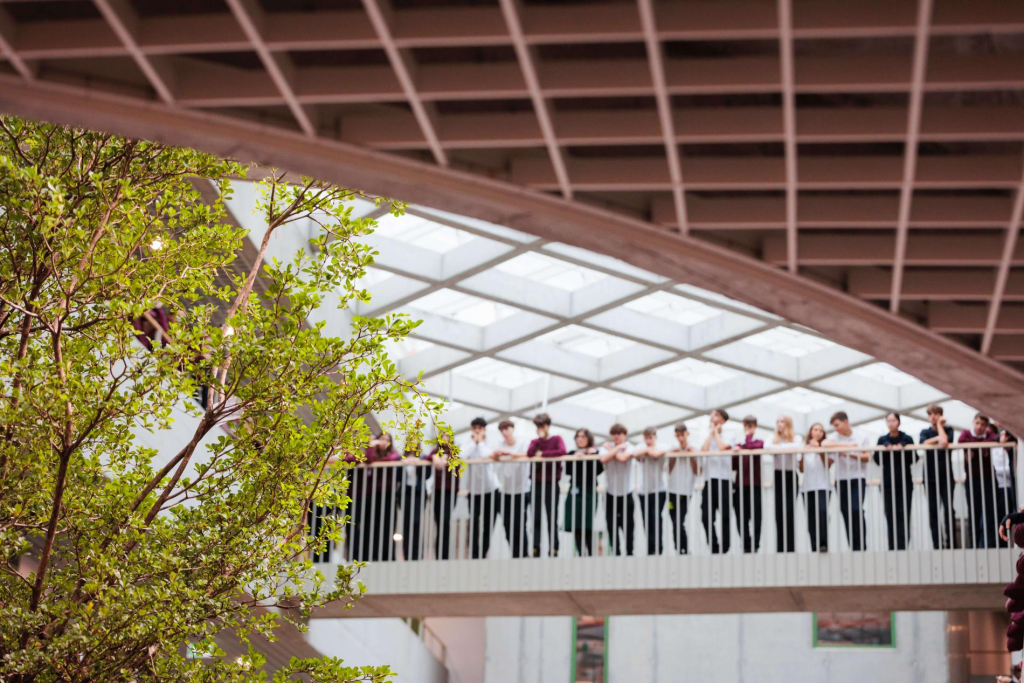
In the field of education architecture, the physical environment plays a crucial role in supporting how students learn and how teachers teach. Well-designed spaces can encourage collaboration, creativity, and engagement.
But the timeline is unforgiving. Construction during the school year disrupts classes and creates safety risks, so most school renovation projects must happen during holidays, especially during the summer break.
This leaves a narrow window for something incredibly complex:
Designing a new learning environment
Coordinating construction teams
Demolishing outdated classrooms
Rebuilding and reorganizing spaces
Furnishing modern learning areas
All in just a few weeks.
Without preparation, summer quickly becomes a race against time.
A real-life case study
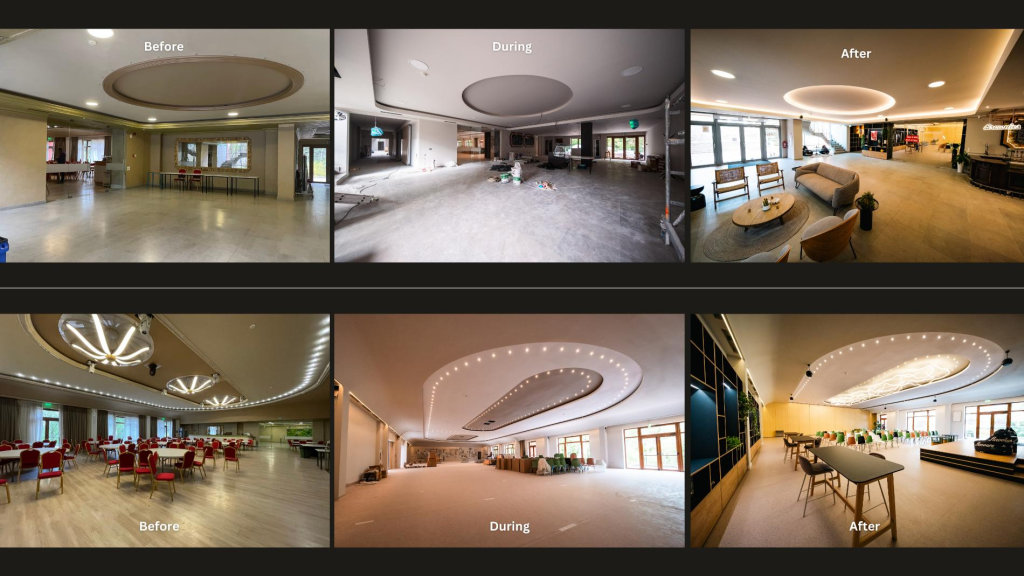
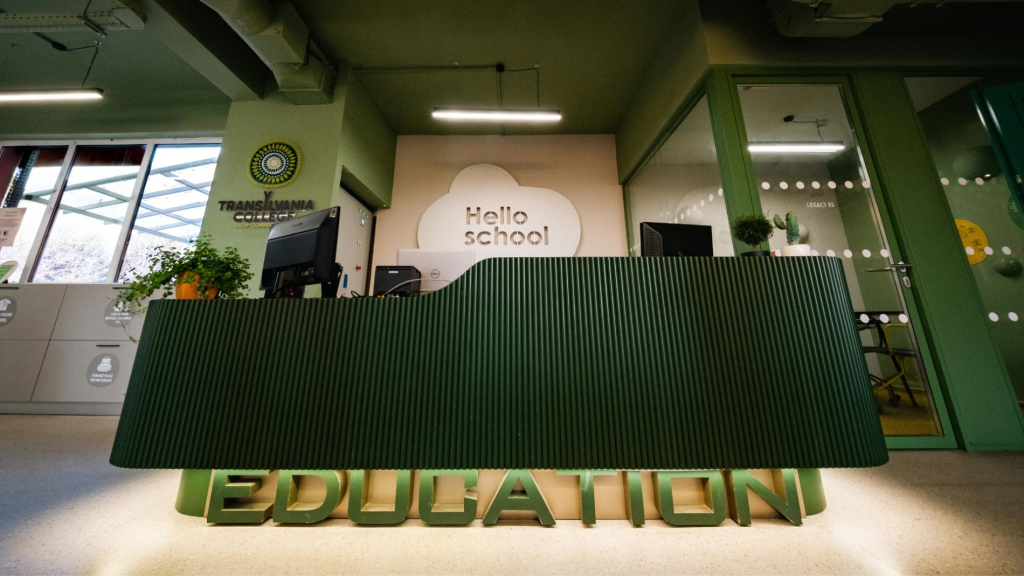
One of our clients is Transylvania College in Cluj-Napoca, and they wanted to improve how its physical spaces supported learning. Their goal was not simply to renovate existing classrooms, but to rethink how the learning environment design could better support modern teaching methods.
At the same time, they were working within the same constraints that most schools face: the transformation had to happen during the summer break.
So, how do you overcome this constraint in just 100 days?
Defining the right priorities
Before construction began, the school worked with Morphoza to better understand how the spaces were being used and what needed to change.
The process included workshops, interviews, and discussions with teachers, students, and parents.
More than 40 teachers and 30 students contributed to defining how the future learning space design should function.
This step was critical. Instead of starting with construction, the project began by identifying the educational goals the space needed to support.
This approach is central to modern education architecture, where the design of the physical environment is guided by pedagogy and learning outcomes.
From strategy to execution
Once priorities were defined, the project moved into the design and planning phase.
By the time summer arrived, the transformation strategy was already in place.
During the break:
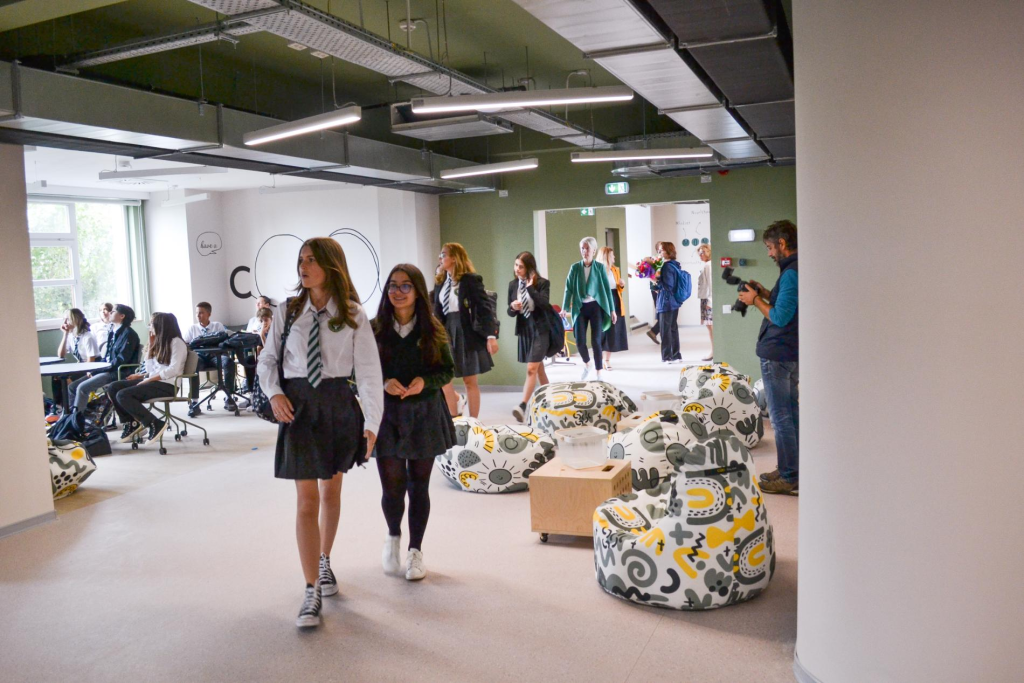
- Approximately 4,000 square meters of learning space were redesigned
- Classrooms underwent a redesign
- New collaborative learning spaces were introduced
- Circulation areas were adapted to encourage student interaction.
These improvements helped create modern learning environments that support collaboration, flexible teaching, and student engagement.
What This Project Shows
From the outside, it may look like the transformation happened in just one summer.
In reality, the project’s success was the result of careful planning and strategic thinking in learning environment design before the execution window began.
When schools treat summer as a moment to start planning, the timeline becomes restrictive.
But when strategy, design, and coordination are already defined, the summer break becomes exactly what it should be – a focused period of execution.

The takeaway for schools
Every school faces the same constraint: a short summer window and ambitious goals for improving modern learning environments.
The question is not whether meaningful change can happen in 100 days.
The real question is whether the preparation for a successful school renovation and learning space transformation happens before those 100 days begin.
Because once summer starts, the clock is already running.

Share: