

Something interesting has been happening in the way we dress, shop, and remember things.
Lately, vintage fashion is influencing mainstream brands, social media trends, and the wardrobes of an entire generation.
People are hunting down old digital cameras, camcorders, and film cameras, chasing the soft, imperfect quality that phone cameras engineered away years ago.
Flip phones are having a moment among people who grew up glued to smartphones.
Even the internet has started joking that 2026 is the new 2016, as though a decade’s aesthetic is something you can just borrow, like a jacket.
Nostalgia has become a kind of background hum in culture right now. Mostly it’s harmless. A preference for grain over crispness. For physical media over an invisible cloud of data.
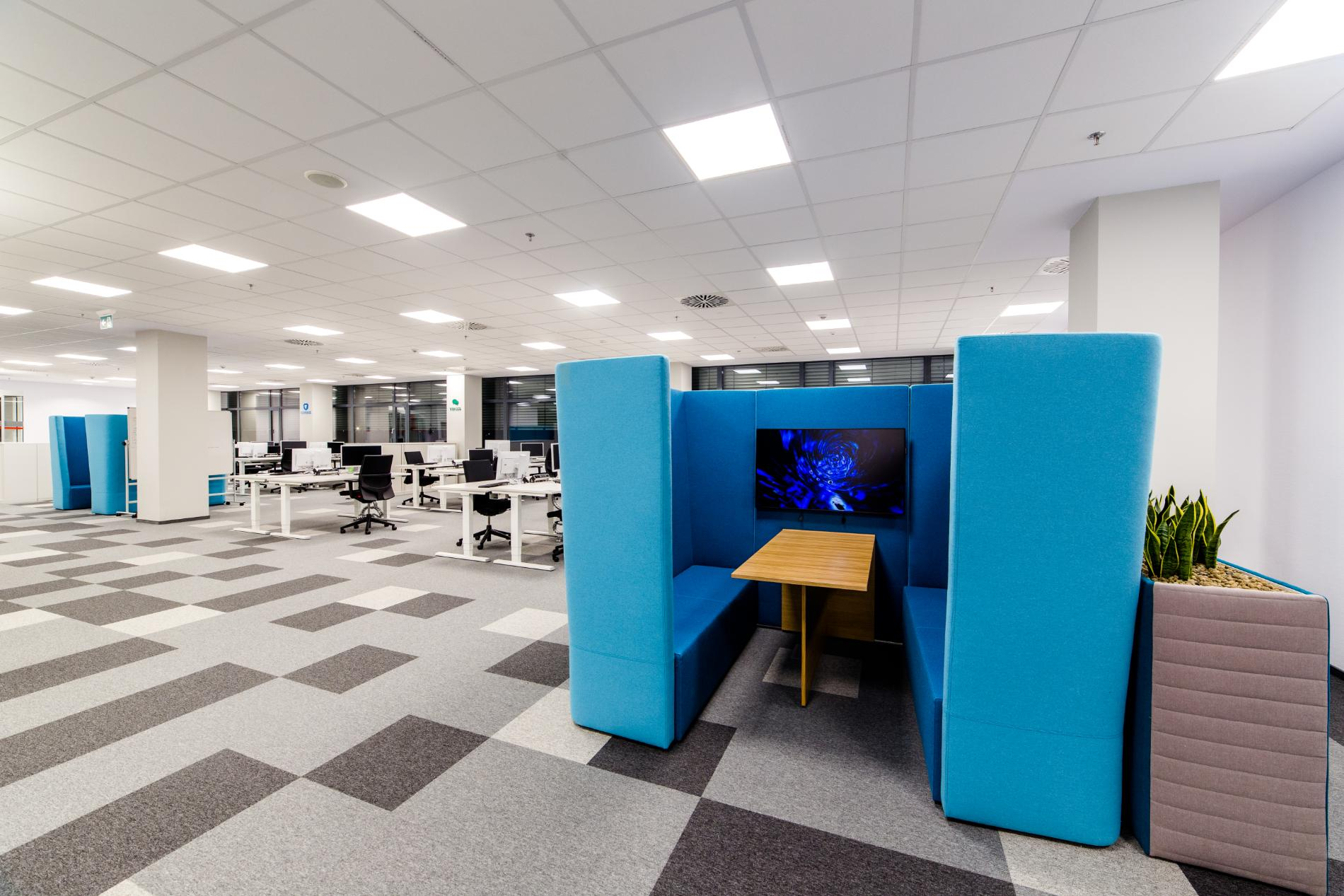
Then a stranger version of it shows up. People who spent the last decade celebrating the death of cubicles in offices are suddenly saying they miss it.
Why nostalgic for something we tried to eliminate?
It’s a strange thing to admit. Open offices were supposed to be the upgrade. Cubicles were mocked for isolating people, boxing them in, turning offices into mazes designed by an efficiency consultant with no imagination. When companies tore the walls down, it felt like progress. Nobody was writing wistful essays about beige felt panels in 2015.
So why now?
Nostalgia tends to surface when something quietly goes missing, not when something is actively wrong. It’s rarely about the object itself, and mostly about what the object used to protect.
People aren’t nostalgic for cassette tapes themselves. They’re nostalgic for the ritual of choosing what to listen to, the patience it required, and the feeling that a mixtape you spent an evening making was truly your own.
The same logic seems to be playing out with cubicles. This isn’t an argument that cubicles were secretly brilliant design. Most of them weren’t. But something they offered has become harder to find, and that absence is what people are actually responding to.
What cubicles accidentally got right
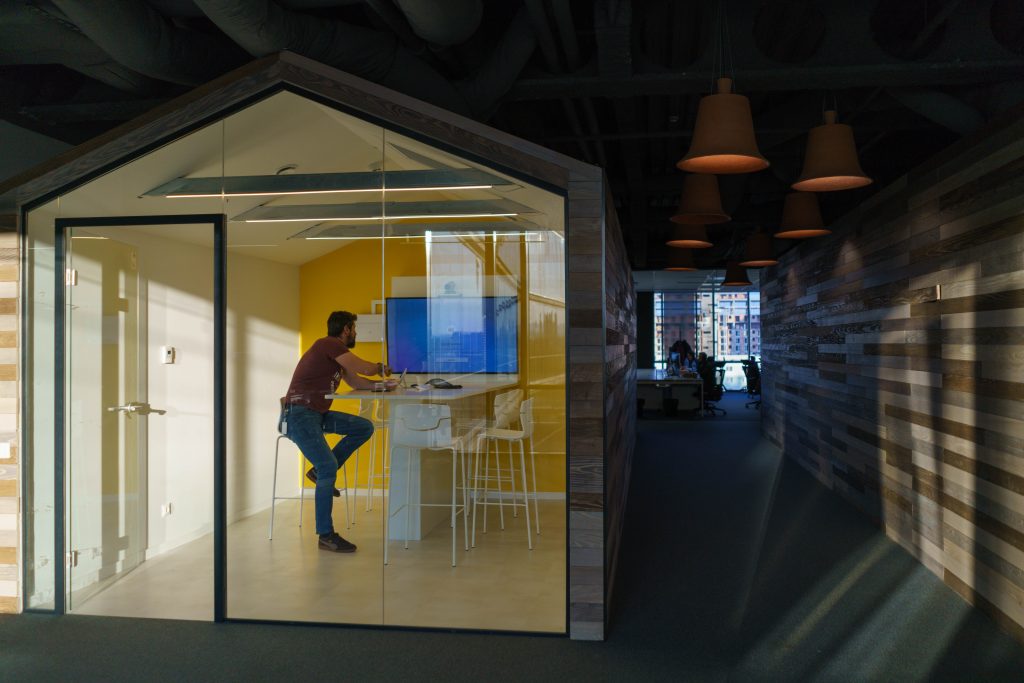
Look past the panels and the cubicles start to make more sense. They gave people a defined amount of space that was unmistakably theirs. A desk with your own coffee mug, your own photos taped to the wall, your own small chaos that nobody else had to look at or apologize for.
That’s territory, and territory does something for people that most modern offices never quite replaced.
They also gave predictability. You knew where your team sat. You knew where to find your manager. You knew, roughly, what your day would look like the moment you walked in.
And they gave a kind of interruption filter. A raised wall meant a colleague had to make a small effort to get your attention, which quietly filtered out a lot of the noise that open offices now let straight through. Visual boundaries meant you could concentrate without being watched, without performing productivity for whoever happened to be walking past.
None of that required good design. It happened almost by accident, as a side effect of walls originally built for cost efficiency, not well-being. But the side effect mattered more than anyone gave it credit for at the time.
What’s actually changed
The workplace today looks nothing like the one that built the cubicle.
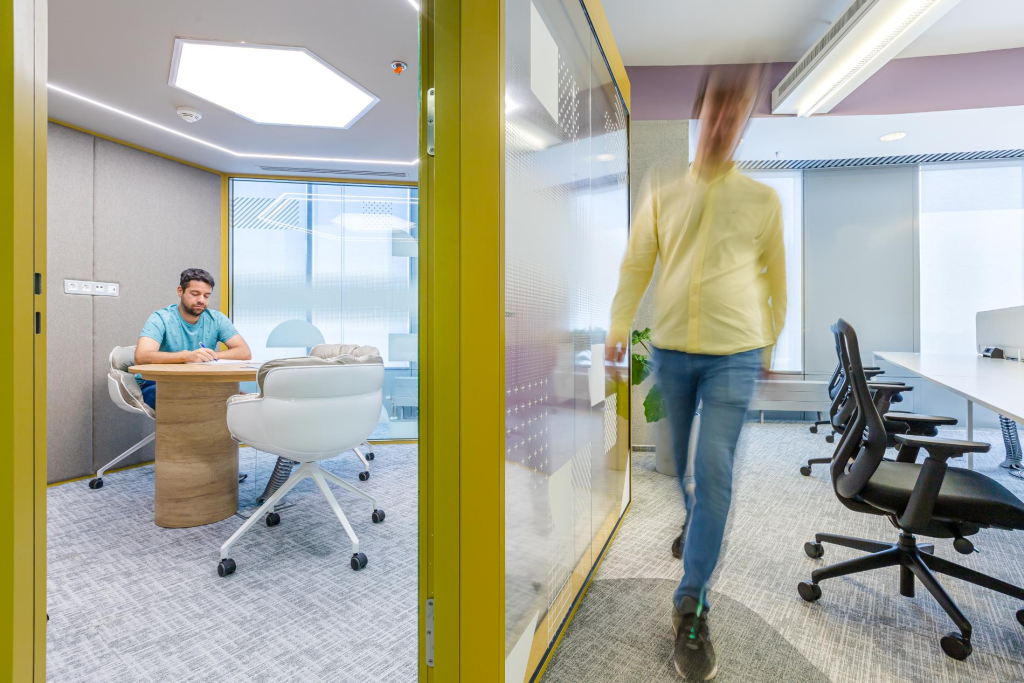
Hybrid schedules mean most teams are rarely in the same room on the same day. Slack and email keep everyone reachable at all hours, whether they’re at a desk or on a train. Open floor plans are genuinely good at sparking spontaneous collaboration.
What they don’t do on their own is protect focus, which used to happen automatically and now has to be designed in on purpose.
Nobody serious is asking to bring back the office of 1995. That’s not what’s happening here.
What people are actually asking for, even if they don’t phrase it this way, is an environment that recognizes concentration and collaboration are two different needs, not one continuous open floor.
The cubicle nostalgia is a signal that something in the current setup isn’t matching how people actually need to work.
Why this matters for design
This is where it gets interesting for anyone who designs workplaces for a living.
Good workplace design studies what a past solution quietly got right, strips away everything that made it clumsy, and rebuilds the useful part in a way that fits how people work now.
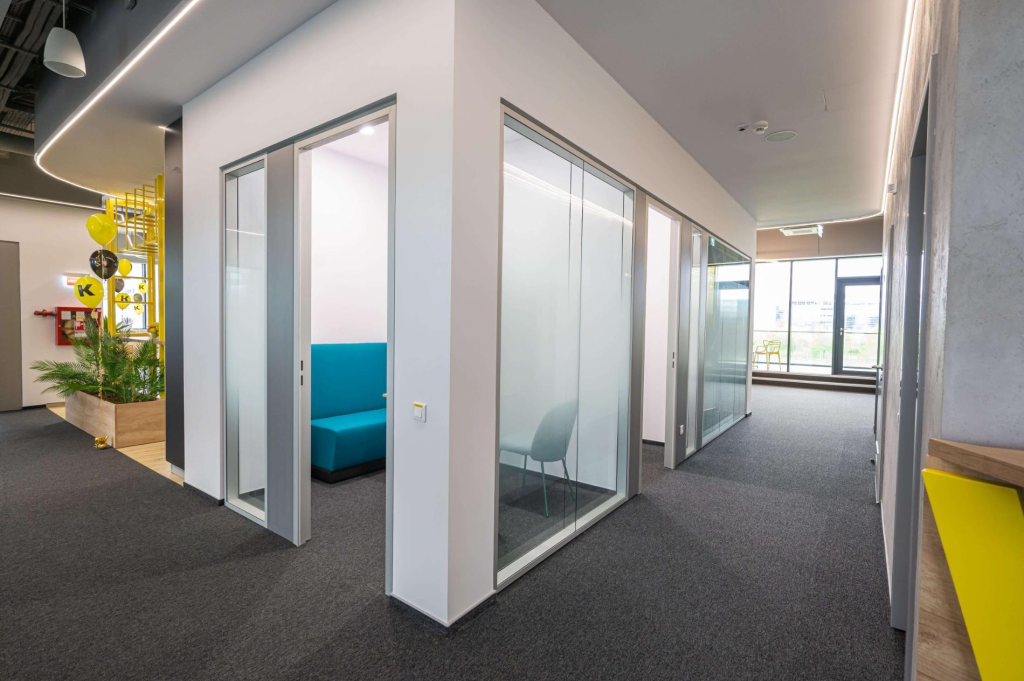
That might look like quiet rooms that give people the same permission to disappear a cubicle once gave by default.
It might look like focus spaces designed with real acoustic separation, not just a change in furniture layout.
It might look like neighbourhoods within a floor plan, small zones that restore the predictability and sense of ownership that got lost somewhere in the shift to fully open layouts.
None of these solutions look anything like a cubicle, but they solve for the same underlying needs.
The mistake would be assuming the nostalgia is about the object. It never really is.
A closing thought
Maybe nobody is actually nostalgic for cubicles.
Maybe what people are nostalgic for is a workplace that took it for granted that concentration needed protecting, that ownership meant something, and that collaboration was only one of several things a good office had to support, not the only thing.
That’s a much harder thing to build than four walls and a desk. But it might be the actual brief.
Not sure where to start with your workplace project?
Every successful workplace project starts with clear priorities, not just floor plans.
Our short questionnaire helps you identify your business objectives, understand your team’s needs, and define the priorities that should guide your workplace investment.
Scroll to the bottom of this page to complete the questionnaire.
Share: